When It’s Time to Move On: Handling the Limits of Older ERP and Inventory Systems
Is your legacy ERP a bottleneck? See the signs it's time to move on, learn from companies that migrated, and unlock growth with a modern, cloud-based inventory system.
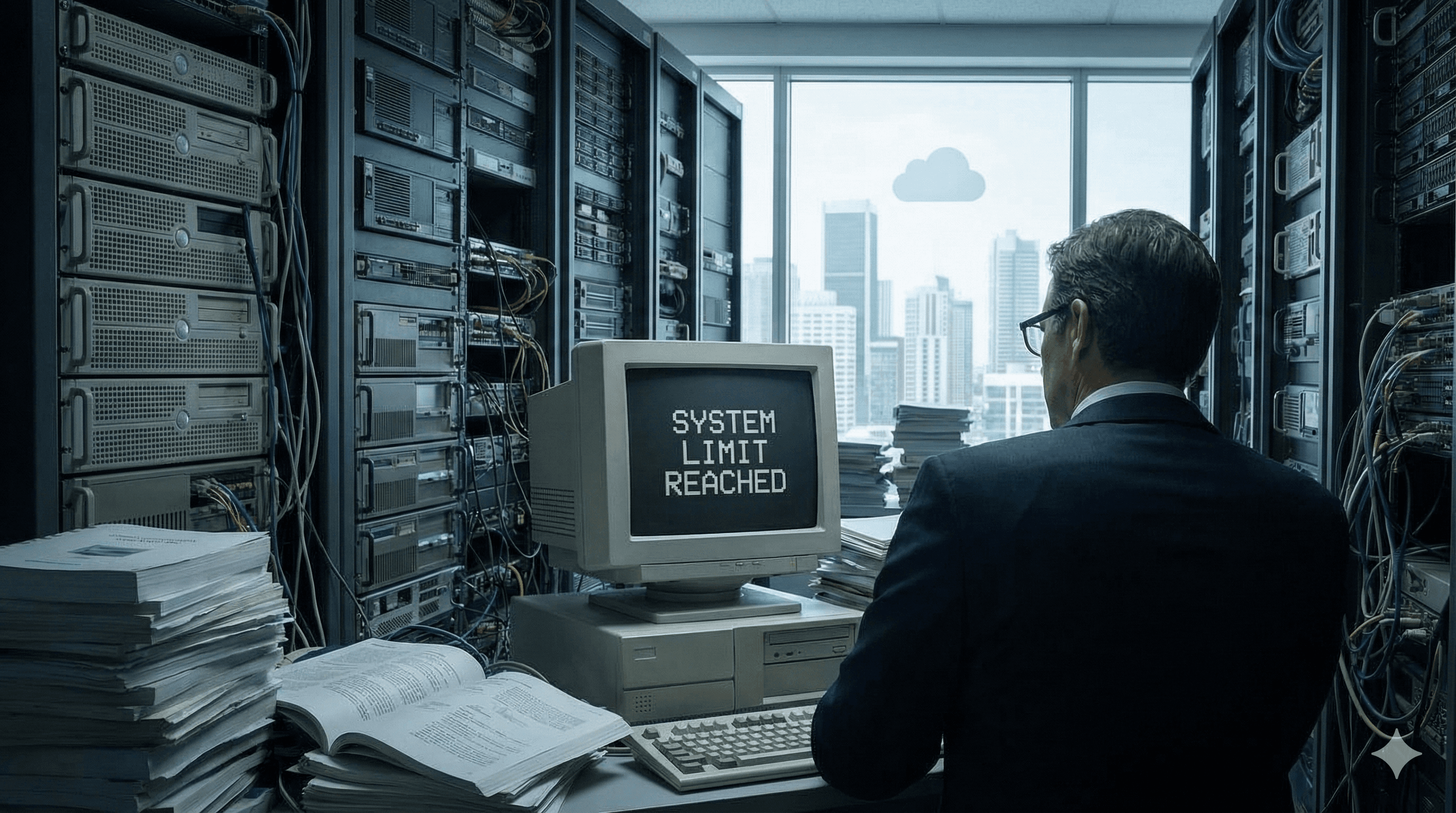
Common Pain Points of Legacy Systems
Companies often notice the limits of older ERP systems through a variety of issues:
- Slow customizations and reports: Generating reports or creating custom workflows often requires outside help or long delays.
- Painful integrations: Connecting the ERP to eCommerce platforms, logistics tools, or other software can be cumbersome.
- Manual updates: Automation is often minimal, leaving teams to rely on manual data entry.
- Limited visibility: Managing multiple warehouses or locations becomes difficult.
- Rising costs: Renewal and maintenance fees tend to climb year after year.
These challenges can reach a tipping point where the system spends more time maintaining itself than supporting business decisions.
Signs It’s Time to Upgrade
Commenters shared some telltale signs that an ERP has outgrown a business:
- Every small change requires developer intervention or support tickets.
- Workarounds start piling up, such as endless Excel sheets or patchy integrations.
- Key processes take too long or cost too much to implement.
Once these signs appear, it’s usually time to start considering a modern solution.
Lessons from Companies That Migrated
Real-world experiences shared on Reddit provide insight into the migration process:
- Plan your technology budget: Allocate 2–10% of annual revenue for tech upgrades, depending on industry needs.
- Clean your data first: Many companies underestimated the time needed to clean and map master data before migration. Data cleanup is often the biggest challenge.
- Phase your rollout: Implement new systems gradually, one process at a time, to reduce disruption.
- Expect training to take longer: Teams may need more time than vendors suggest to adapt to new workflows.
For example, one mid-sized company switched systems when annual costs hit $55K and simple updates were taking months. Migration lasted four months, included extensive data cleanup, and required running both systems in parallel for six weeks. The payoff? Order processing time dropped 60%, real-time inventory visibility was achieved, and $15K customization fees were eliminated.
The Benefits of Modern ERP Systems
Modern cloud-based and modular ERP solutions provide several key advantages:
- Agility: Modular stacks allow businesses to pick best-of-breed tools for specific needs, such as demand forecasting, purchasing, or operations.
- Automation: Real-time inventory updates and automated workflows reduce manual labor.
- Integration: Cloud platforms simplify connections with eCommerce, logistics, and other business systems.
- Visibility: Managers gain a clear view across warehouses, locations, and processes.
- Cost predictability: Subscription models shift expenses from capital investment to predictable operating costs, often offsetting on-premise maintenance fees.
Specialized inventory systems can also complement an ERP, focusing on operational efficiency while the ERP handles reporting and analytics.
Tips for a Successful Migration
- Identify the pain points: Map out what’s consuming the most time or causing the most frustration.
- Separate fixable issues from system limitations: Some problems are inherent to the legacy system; recognize them early.
- Ensure compliance: Modern cloud solutions must meet regulatory standards like HIPAA, PCI, FedRAMP, ITAR, or NIST, depending on your industry.
- Decouple forecasting and reporting: Start by improving analytics outside the ERP to reduce dependency during migration.
Many companies, once they migrate, wish they had done it sooner. The benefits in agility, visibility, and reduced manual work often outweigh the initial migration challenges.
Conclusion
Holding onto legacy ERP and inventory systems can feel safe, but in reality, it may slow growth and add unnecessary complexity. Monitoring for signs like slow reporting, rising costs, and excessive manual work helps businesses decide when to modernize.
By planning carefully, cleaning data upfront, and adopting a phased migration strategy, companies can make the transition smoother, unlocking the full potential of a modern, cloud-based, and modular ERP system.
The takeaway: Don’t wait until your legacy system becomes a bottleneck — the sooner you upgrade, the sooner your business can operate with speed, clarity, and efficiency.