Taming the Supply Chain with AI: A New Era for Inventory Management
Discover how AI is revolutionizing inventory management by enhancing forecasting, optimizing operations, and streamlining supply chain processes for better efficiency.
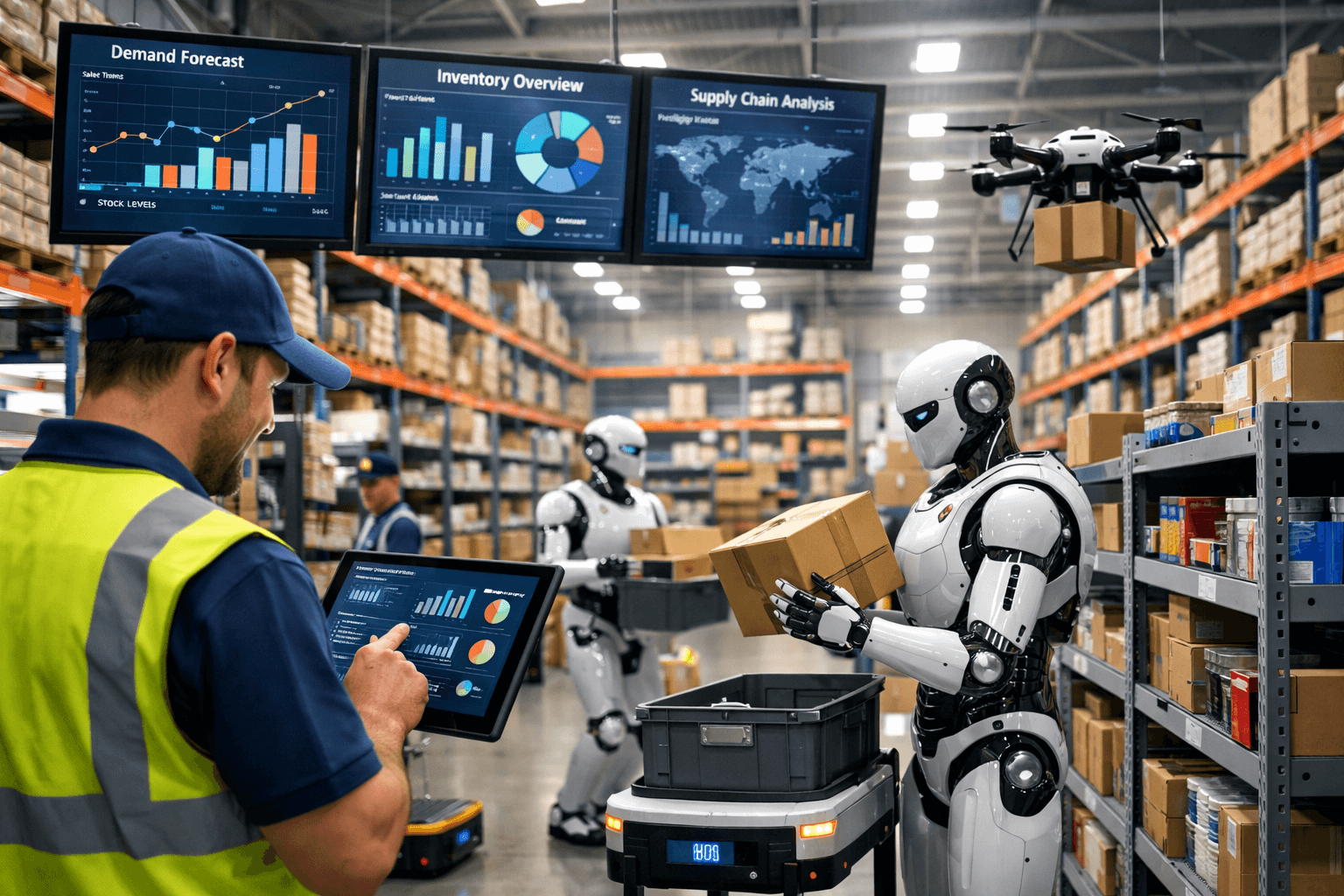
The supply chain, once a complex system of manual processes and unpredictable variables, is being fundamentally reshaped by artificial intelligence. AI is transforming it from a reactive necessity into a proactive, data-driven engine. This shift is particularly impactful for inventory management, elevating it from a simple tracking function to a strategic tool that anticipates demand, optimizes operations, and mitigates risk.
From Forecasting to Foresight: The AI Advantage
For any product-driven organization, maintaining the right amount of inventory is a balancing act. AI takes the guesswork out of this process by providing a new level of forecasting accuracy. Instead of relying solely on historical sales data, AI systems analyze vast amounts of information in real-time, including market trends, seasonal changes, and even external factors like weather and economic indicators.
This deep analysis allows an inventory management system to:
- Predict Demand Fluctuations: Anticipate when an item will be popular, helping you stock up just in time.
- Optimize Stock Levels: Automatically adjust reorder points to prevent both costly overstock and missed sales from stockouts.
- Improve Customer Satisfaction: Ensure products are available when and where they're needed, which enhances the overall customer experience.
By moving beyond simple averages and into predictive analysis, AI transforms inventory management from a "science and an art" into a precise, data-driven discipline.
Streamlining Operations and Mitigating Risk
AI's impact isn't limited to forecasting; it also optimizes the physical flow of goods throughout the supply chain. Delays and disruptions can have a ripple effect, but AI helps businesses navigate these complexities with greater agility.
- Supplier Risk Management: AI platforms can analyze supplier performance, geopolitical events, and market conditions to predict potential disruptions. This allows an inventory manager to proactively find alternative suppliers and ensure a continuous flow of goods.
- Warehouse Automation: AI-powered robots and automated systems handle tasks like picking, packing, and sorting. This increases warehouse efficiency, reduces labor costs, improves safety, and significantly boosts order accuracy.
These AI-driven enhancements allow inventory managers to move from a reactive state, dealing with problems after they've occurred, to a proactive one, where potential issues are flagged and addressed before they impact operations.
The Future of the Last Mile
The final leg of the journey, the "last-mile delivery," is often the most complex and costly. AI is tackling this challenge by:
- Optimizing Routes: AI analyzes traffic, delivery times, and other logistical factors to determine the most efficient delivery routes, which also helps reduce fuel consumption.
- Dynamic Logistics: AI-enabled systems allow companies to quickly respond to changes in consumer buying behavior, ensuring products can be rerouted and delivered efficiently.
From the first forecast to the final delivery, AI is creating a smarter, more efficient, and more resilient supply chain. By embracing these AI-driven solutions, businesses are better equipped to meet consumer demands, manage risks, and optimize every aspect of their inventory.