Claude for Manufacturing - The most important thing a system can be is the source of truth
Discover how Claude for Manufacturing emphasizes the importance of a reliable source of truth in plant operations, ensuring accurate data for better decision-making.
Nov 14, 2026 · 4 min read
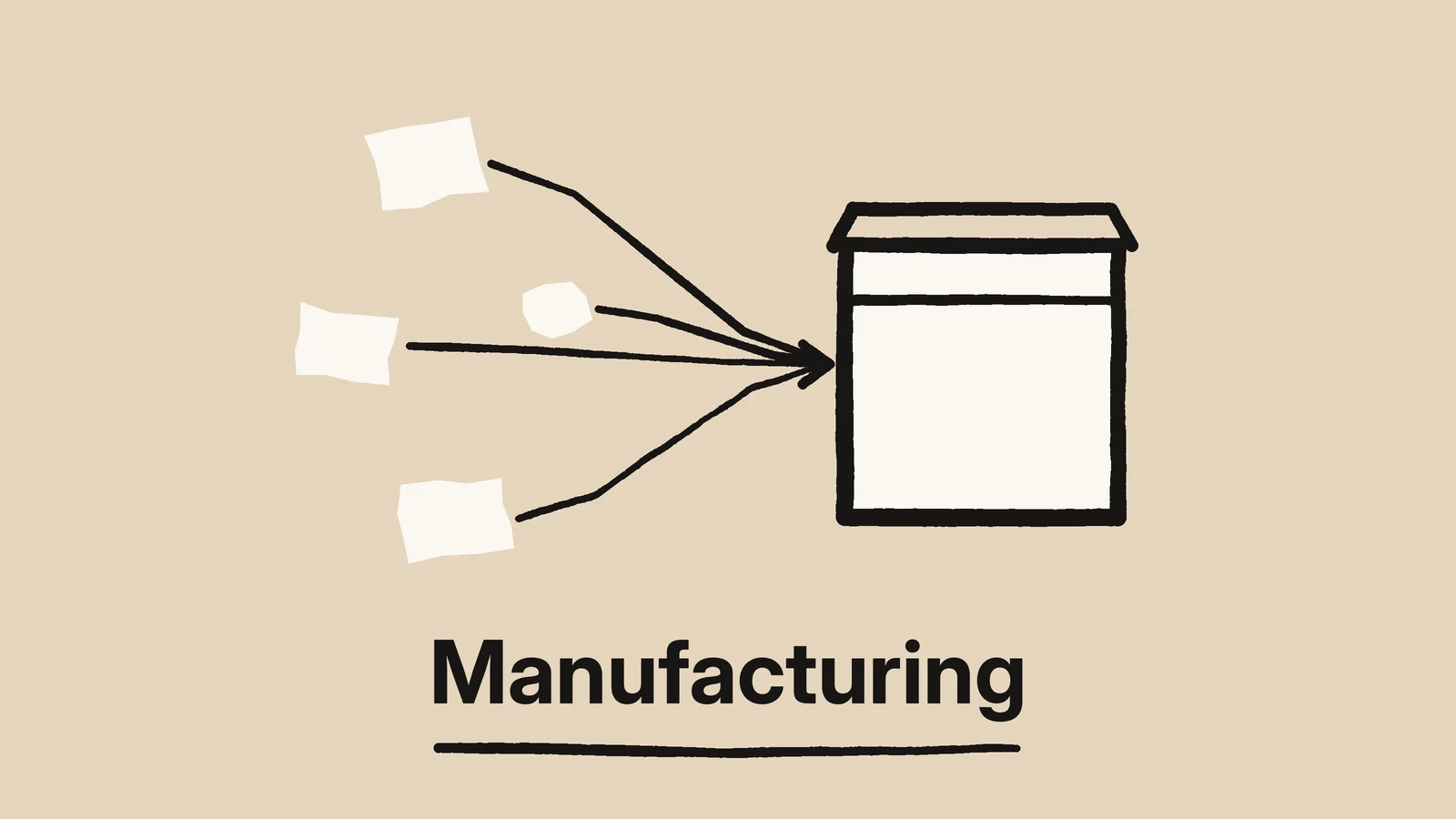
On 12 November, Anthropic launched Claude for Manufacturing. It's a plugin with 17 skills for plant teams: quoting a new job, investigating a failed inspection, diagnosing a machine breakdown, comparing supplier bids, reporting on output and downtime. It connects to Autodesk Fusion, Infor, Oracle NetSuite and Microsoft 365, and the skills are built to stop and wait for a person to review before anything reaches a customer or a supplier.
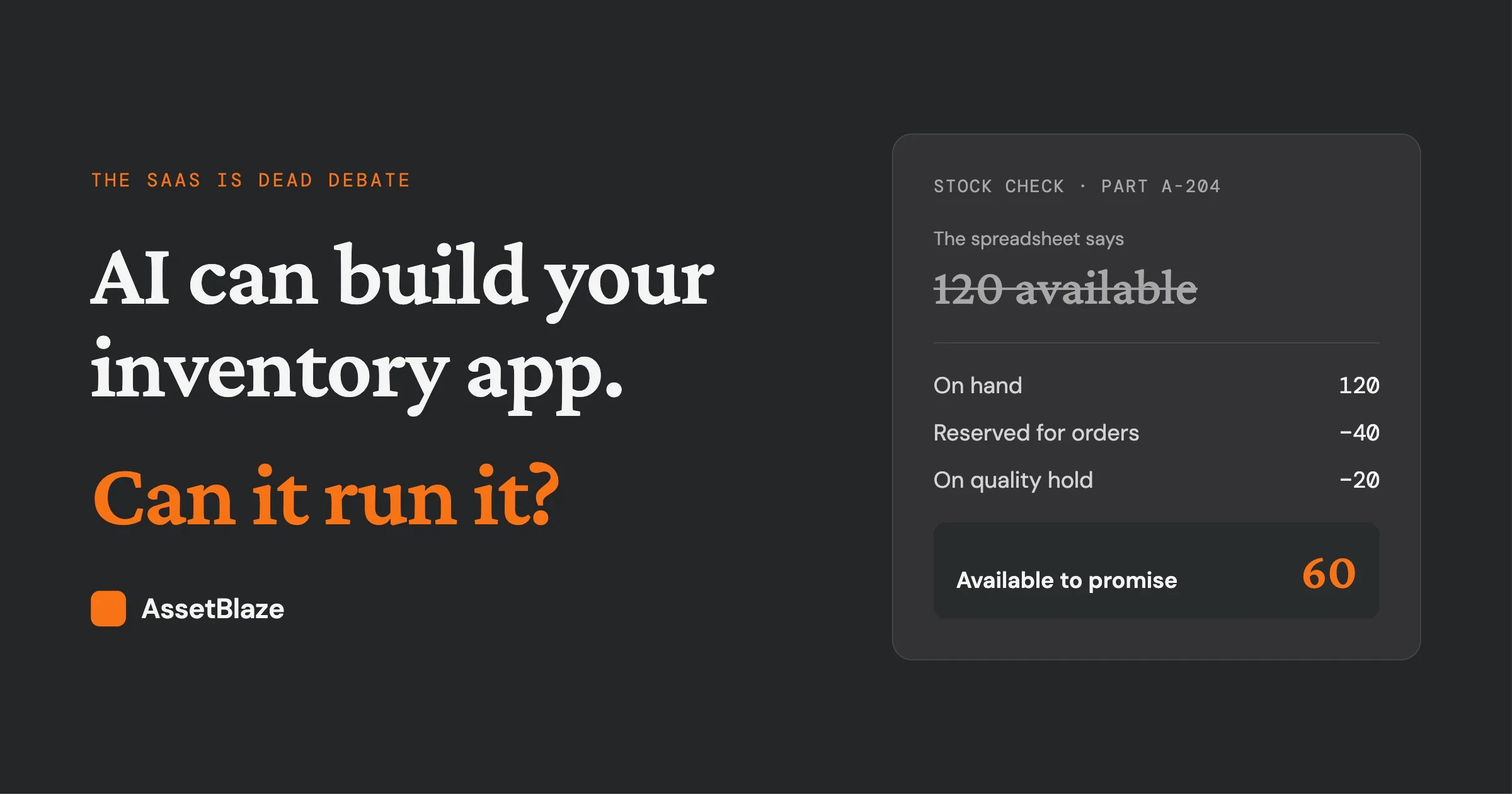
It's a serious piece of work. And the reaction from people who actually run plants was interesting. In the comments under one widely shared post about the launch, the most common response wasn't excitement or fear. It was some version of the same sentence: if your data is wrong, you'll just get wrong quotes faster.
I think they're right. And I think it points at something bigger than AI.
What "source of truth" actually means
A system is the source of truth when there is one place where a fact lives, and everyone trusts that place. How many units of a part are on the shelf. What the last batch cost. Which supplier we actually used. When someone asks, there is one answer, and nobody has to go and check it somewhere else.
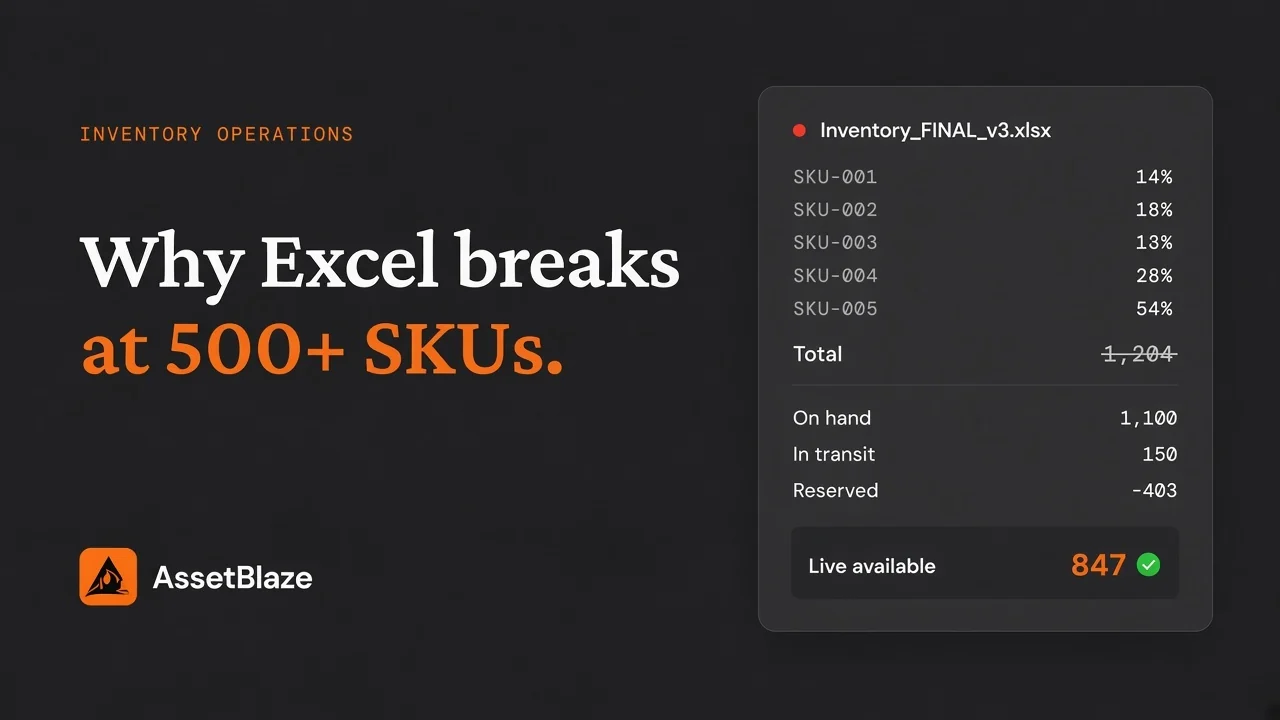
That sounds obvious. In practice, most companies with 20 to 100 people don't have it. They have a business system that says one number, a spreadsheet the warehouse manager keeps that says another, and a WhatsApp thread where the real answer is. The system is technically there. It just isn't the truth.
Why it matters more than any feature
When a system is not the source of truth, every feature built on top of it inherits the problem. Reports look precise and mean nothing. Reorder points trigger at the wrong time. A quote goes out with last year's material cost.
Worse, people notice. Once a team catches the system being wrong a few times, they stop believing it. They start keeping their own records "just to be safe". Now you have two sources, then five, and someone spends Friday afternoon reconciling them. That reconciliation is a tax the company pays every week, and it rarely shows up in any budget.
This is why I would say being the source of truth is the most important characteristic a system can have. Speed, design, integrations, AI. All of it is worth something only if the underlying number is right. A beautiful dashboard on top of data nobody trusts is just a nicer way to be wrong.
Why AI raises the stakes
AI doesn't fix this. It amplifies it.
A person who has worked in a plant for fifteen years knows that the stock count for a certain part is always off by a few, or that one supplier's lead time is never what the system says. That knowledge lives in their head, not in the data. An AI assistant reading the records doesn't know any of it. It takes the numbers as given and produces a confident, well-formatted answer.
Anthropic seems to understand this. The announcement says Claude can link figures and claims back to the underlying data and documents, and the skills end at a human review. That's the right design. But a review is only as good as what the reviewer can trace. If the estimator clicks through and finds a number from a spreadsheet nobody has updated since spring, the review catches the problem, but the AI didn't save any time. And if the reviewer is busy and doesn't click through, the bad number goes out with a nicer cover letter.
Anthropic's announcement also cites a 2025 survey finding that 79% of manufacturers still enter data manually. That's the starting point for most of the plants this kind of tool is aimed at. The AI layer is ready. The question is whether the layer under it is.
What a source of truth takes
None of this requires a huge project. In my experience it comes down to a few habits.
- One home for each fact. Stock levels live in one place. Costs live in one place. If a number exists in two places, one of them is a copy, and everyone knows which.
- Record things where they happen. The goods receipt is entered when the goods arrive, by the person receiving them, not typed in from a paper note on Thursday.
- Keep the history. Not just the current number, but how it got there. Who moved what, when, and why. That's what makes a figure traceable, for a person or for an AI.
- Retire the shadow spreadsheets. Not by banning them, but by making the system easier and more trusted than the spreadsheet. People keep side records because they don't trust the main one. Fix the trust and the side records go away.
- Make it readable by other tools. If the truth sits in a system nothing else can reach, people will copy it out, and the copies will drift.
The order matters
The plants that get real value from tools like Claude for Manufacturing won't be the ones that adopt AI first. They'll be the ones that already know their numbers are right. For them, an assistant that drafts a quote in minutes is a real gain, because the estimator can check it quickly and trust what they see.
For everyone else, the first step is less exciting and more important: decide where the truth lives, and make it live there.
This is the problem we work on at AssetBlaze. We think of it as the inventory truth layer: one trusted record of stock, movements and costs that people and AI tools can both rely on. But whatever you use, the principle is the same. Get the truth right first. Everything else gets easier after that.